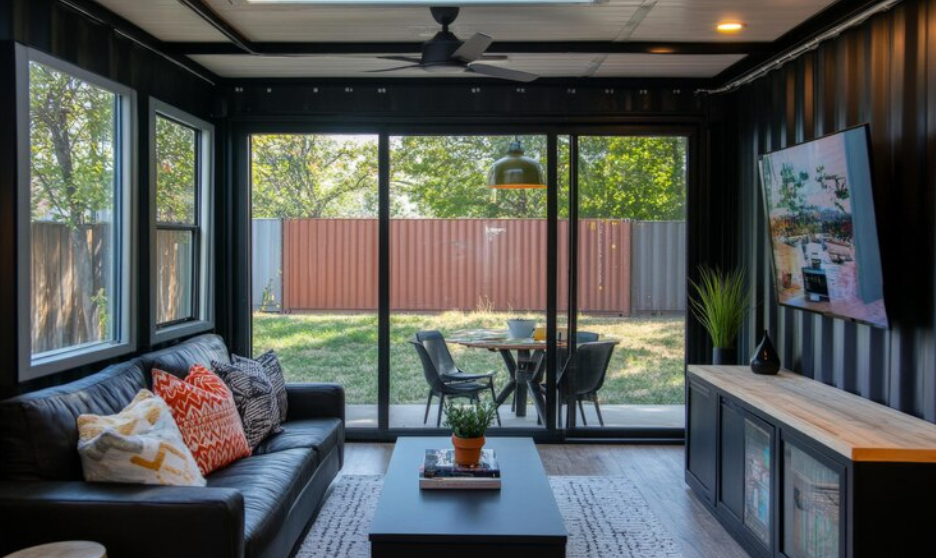

Searching for a home is one of the most consequential decisions a person or family makes, and the quality of that decision depends on the clarity and discipline brought to the process. Emotions run high, timelines create pressure, and the sheer volume of available information can obscure rather than illuminate the choices that actually matter. A structured, thoughtful approach to the home search consistently produces better outcomes than one driven primarily by first impressions and the anxiety of a competitive market.
Distinguishing What You Truly Need from What Would Simply Be Nice
Before viewing any properties, articulating a clear distinction between genuine requirements and desirable preferences makes every subsequent evaluation more useful. Requirements are features whose absence would make a property genuinely unsuitable, bedroom count for a growing family, proximity to specific schools, accessibility features for a household member with mobility limitations. Preferences are features that would add value but are negotiable. Mixing these two categories leads to the common error of rejecting suitable properties for non-essential reasons or accepting unsuitable ones because other features were appealing.
Location: The One Factor That Cannot Be Changed After Purchase
Of all the factors that affect a property’s suitability and long-term value, location is uniquely permanent. A home can be renovated, reconfigured, extended, and updated, but its street, neighborhood, school catchment area, and commute position are fixed at the point of purchase. Among the available houses for sale in any given price range, those in locations that match buyers’ long-term lifestyle and practical needs consistently outperform the alternatives as investments and as places to live. Prioritizing location over aesthetics is rarely regretted.
Understanding the Market Before Making Any Offers
Making competitive and informed offers requires genuine familiarity with the market in the specific area and price range you are searching. Reviewing comparable sales, understanding the typical gap between asking prices and achieved prices, and knowing how quickly properties are moving in your target area gives you the context to evaluate asking prices accurately and structure offers that are competitive without being excessive. Searching homes for sale listings systematically and tracking what sells builds the market knowledge that good offers require.
The Professional Support That Makes a Complex Process More Manageable
An experienced buyer’s agent provides access to properties, market intelligence, negotiation support, and process management that significantly improve the home search experience and outcome. They identify suitable properties earlier, often before they appear widely advertised. They provide honest assessments of properties’ true value relative to their asking price. And they manage the administrative complexity of offers, surveys, and contract negotiations in ways that protect buyers’ interests at every stage. For most buyers, the value of professional representation far exceeds any perceived saving from searching independently.
Avoiding the Emotional Traps That Derail Smart Searches
The most common search errors share an emotional root. Falling in love with a property before completing due diligence leads to offers that ignore material deficiencies. Fear of missing out in competitive markets creates pressure to compromise on criteria that were established for legitimate reasons. Anchoring too strongly on a specific vision means buyers miss genuinely suitable properties that look different from the imagined ideal. Maintaining disciplined application of pre-established criteria through the search process is the single most effective protection against these predictable and expensive mistakes.
Conclusion
The home search process rewards preparation, discipline, and professional support in ways that make the effort genuinely worthwhile. Buyers who approach the search with clear criteria, informed market knowledge, and qualified professional guidance consistently make better decisions, pay fairer prices, and find themselves in homes that serve their lives well for years to come.