
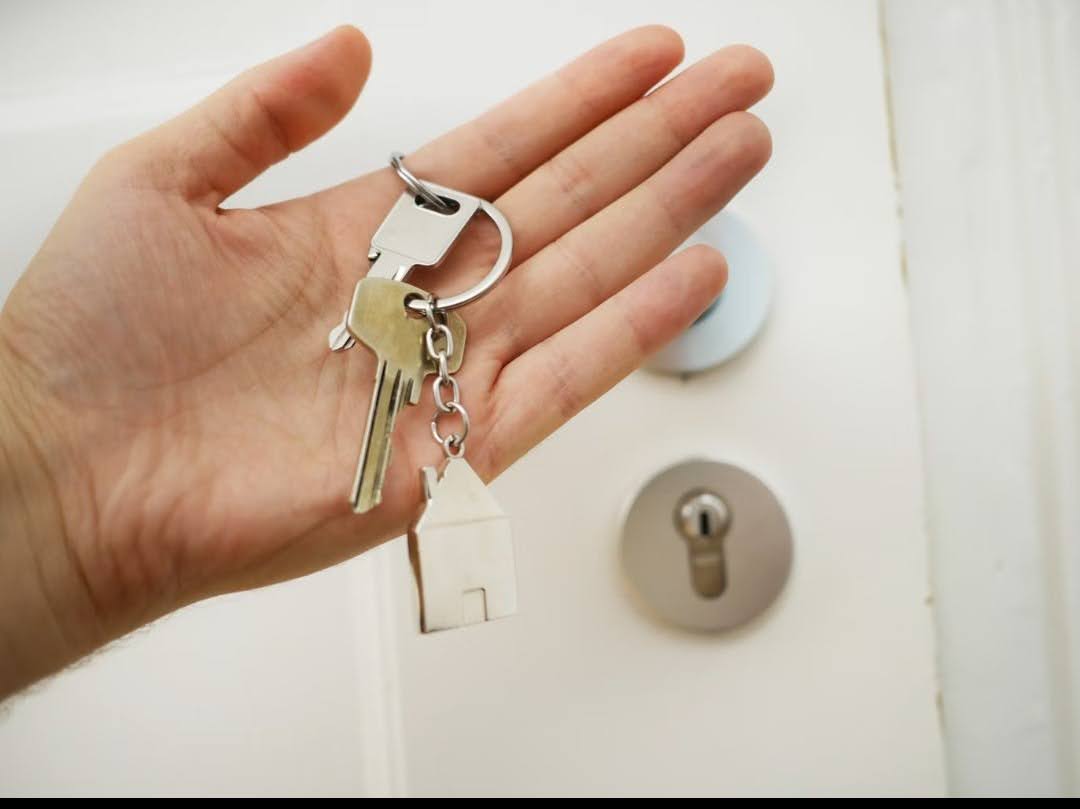
Investigative work involves situations where access, security, and timing matter. A missing key, damaged lock, or restricted entry point can delay an investigation and make a simple task more difficult.
While investigators focus on collecting evidence, conducting interviews, and verifying information, they may also need support from professionals who understand physical security.
Let’s explore 4 reasons why maintaining contact with a reliable security specialist can support investigative work. Read on.
Faster Assistance During Urgent Situations
Investigations do not always follow a fixed schedule. An unexpected development may require an investigator to visit a property, meet a client, or respond to a security concern at short notice. In such situations, access problems can cause unnecessary delays.
A trusted locksmith can provide timely assistance when a lock stops working, a key goes missing, or a property owner needs help restoring access.
Instead of spending valuable time searching for an available service provider, an investigator can contact a professional whose services and working standards are already familiar.
Better Understanding of Locks and Security Systems
Physical security plays an important role in many investigations. Residential properties, commercial buildings, storage facilities, and offices may use different types of locking systems. Understanding their basic features can help a private investigator ask better questions.
A professional with experience in modern locking technology can explain how these systems operate and what weaknesses property owners should address.
An experienced locksmith can explain major lock differences in practical terms. For example, a property may use an older lock that provides limited resistance to forced entry. Another building may have an electronic access system that records entry attempts and user activity.
Support for Lawful Property Access
Investigators sometimes work with clients who have difficulty accessing their own homes, offices, vehicles, or other properties. Lost keys, damaged hardware, and outdated security systems can create access problems that need professional attention.
A professional service provider should confirm the customer’s identity and authority. Depending on the situation, this may involve checking identification, ownership documents, tenancy records, or written permission from the responsible party.
Professional cooperation helps establish clear boundaries. A qualified technician can explain which services require proof of ownership or authorization and when a request should be declined.
Improved Property Security During Investigations
Some investigations involve properties that need additional protection. A business may experience repeated thefts, a homeowner may report unauthorized access, or a client may discover that someone has copied an old key. In these situations, reviewing the property’s security can help reduce further risks.
A damaged or compromised lock may leave a property vulnerable. If someone has lost a key or suspects that an unauthorized person has access, the owner may need to change the lock or update the access system.
A security professional can inspect the existing hardware and suggest suitable improvements. Depending on the property’s needs, these improvements may include stronger deadbolts, restricted key systems, upgraded cylinders, or electronic access controls.
Investigators can help clients understand why these changes matter, while the technician handles the technical work.
