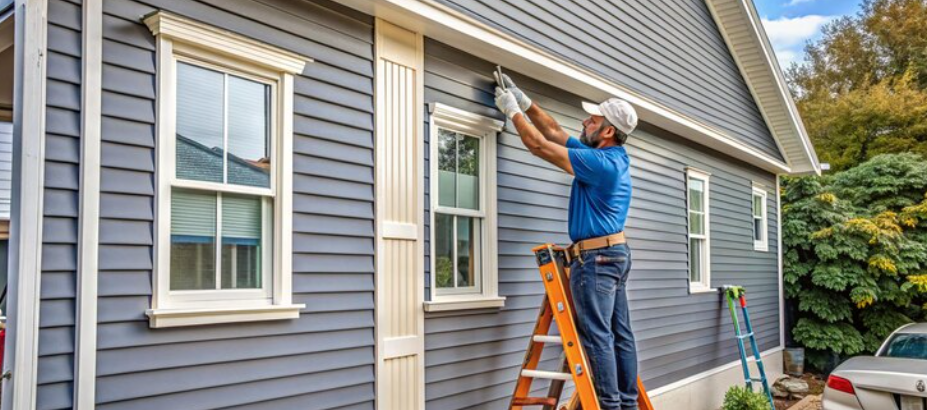
An aging home exterior often starts to look dull, worn, or even damaged over time. Paint may peel, walls may develop cracks, and weather exposure can reduce the overall strength of the outside structure. Homeowners usually look for simple but effective ways to refresh their property without rebuilding it completely. One of the most practical solutions is siding installation. It not only improves the look of a home but also strengthens its protection and increases its long-term value. This upgrade is popular because it combines style, durability, and cost-effectiveness in one solution.
Why Aging Exteriors Need an Upgrade
Over time, every home exterior faces natural wear and tear. Sunlight, rain, wind, and dust slowly damage the surface, making it look old and unattractive. Paint alone is often not enough to fix deeper problems like cracks or moisture damage. When the exterior becomes weak, it can also affect the structure inside. This is why many homeowners choose siding installation as a long-term solution. It covers the damaged surface and gives the home a fresh, solid layer of protection. Instead of repeatedly repairing small issues, siding offers a more permanent improvement.
How Siding Installation Improves Appearance
One of the biggest benefits of siding installation is the immediate visual transformation it brings. A worn-out home can suddenly look modern, clean, and well-maintained. Siding comes in many colors, textures, and styles, allowing homeowners to match their personal taste. Whether someone prefers a classic look or a more modern design, siding can easily adjust to different styles. It also hides old stains, uneven surfaces, and faded paint. This makes the house look newer without requiring a complete rebuild or expensive redesign.
Protection Against Weather and Damage
A key reason homeowners invest in siding installation is protection. The outer layer of a house is constantly exposed to harsh weather conditions. Rain can lead to moisture damage, while strong sunlight can weaken paint and surfaces. Wind and dust can also cause gradual wear. Siding acts as a strong protective shield that reduces these effects. It helps prevent water from entering walls and reduces the risk of mold or rot. This added protection makes the home safer and more durable over time, especially in areas with changing weather conditions.
Energy Efficiency and Comfort Benefits
Siding installation can also improve the energy efficiency of a home. When properly installed, siding adds an extra layer of insulation that helps regulate indoor temperature. This means the home stays cooler in hot weather and warmer in cold weather. As a result, heating and cooling systems do not need to work as hard, which can help reduce energy bills. A more stable indoor temperature also improves overall comfort for the people living inside the home. This makes siding not just a visual upgrade but also a practical one.
Low Maintenance and Long-Term Value
Another advantage of siding installation is that it requires very little maintenance compared to traditional exterior surfaces. Unlike paint, which needs frequent touch-ups, siding can last for many years with minimal care. Simple cleaning is usually enough to keep it looking fresh. This reduces both time and maintenance costs for homeowners. In addition, a well-maintained exterior increases the overall value of the property. If the home is ever sold, siding can make it more attractive to buyers and improve its market appeal.
Conclusion
Siding installation is a smart and effective way to upgrade an aging home exterior. It improves appearance, adds strong protection, enhances energy efficiency, and reduces long-term maintenance needs. For homeowners looking to refresh their property without major reconstruction, siding offers a reliable solution that delivers both beauty and function. Over time, this investment not only improves daily living comfort but also increases the overall value and durability of the home.