
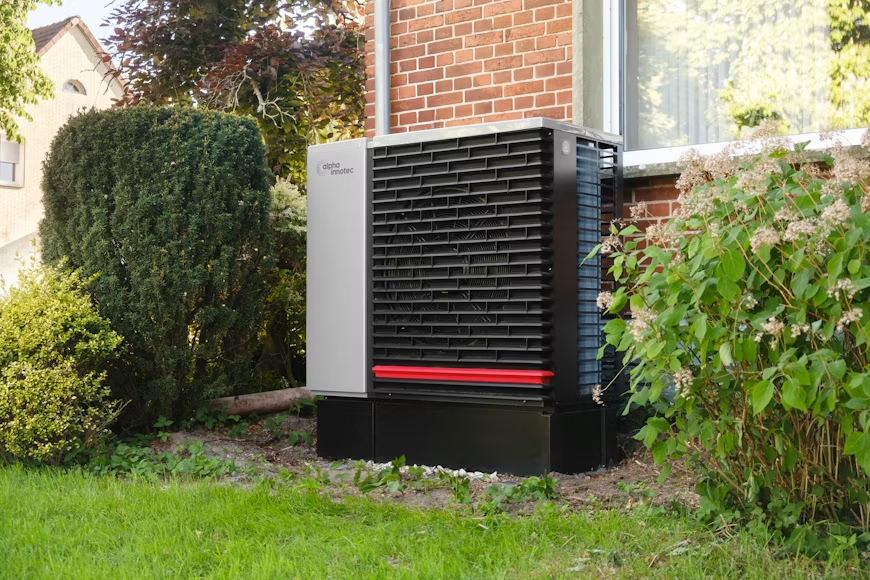
Installing a heat pump can be a practical way to provide heating and cooling in a property while potentially improving energy efficiency. However, choosing and installing the right system requires more than selecting a unit based on price or appearance. Before beginning heat pump installation, homeowners should consider the property’s size, insulation, climate, electrical capacity, equipment type, placement, and long-term maintenance needs. Careful planning can help create a system that performs reliably and suits the building’s requirements.
1. Assess Your Property’s Size
The size and layout of the property play an important role in determining the appropriate heat pump capacity. A system that is too small may struggle to maintain comfortable temperatures, while an oversized unit may operate inefficiently.
A professional assessment can help determine the heating and cooling capacity required for the space.
2. Consider Your Local Climate
Climate conditions can influence which type of heat pump is most appropriate. Properties in areas with very cold winters may require systems designed to perform effectively at lower outdoor temperatures.
During heat pump installation, discuss local weather conditions with a qualified professional to ensure the selected equipment is suitable for the environment.
3. Evaluate Insulation and Air Sealing
Good insulation and proper air sealing can help reduce heating and cooling demands. If a property has significant drafts, poorly insulated walls, or inefficient windows, addressing these issues may improve overall comfort before installing a new system. A more efficient building envelope can also help the heat pump operate more effectively.
4. Choose the Right Type of Heat Pump
Several heat pump types are available, including air-source, ground-source, and ductless systems. Each option has different installation requirements, costs, and performance characteristics.
Consider your property’s structure, available space, existing ductwork, and heating and cooling goals before selecting a system.
5. Check Electrical Requirements
Heat pumps require an appropriate electrical supply to operate safely and reliably. Before heat pump installation, have the existing electrical system evaluated to determine whether it can support the new equipment.
Older properties may require electrical upgrades before installation can proceed. This check can also help prevent unexpected electrical issues after the new system is installed.
6. Determine the Best Location
The location of indoor and outdoor components can affect system performance and accessibility. Outdoor units generally need adequate airflow and sufficient clearance around them. Indoor equipment should be positioned to support effective air distribution.
Proper placement can also make future maintenance easier. The location should also allow technicians to access the equipment easily for future inspections and servicing.
Final Thoughts
Several factors should be considered before heat pump installation, including property size, local climate, insulation, system type, electrical capacity, equipment placement, ductwork, project costs, maintenance, and installer qualifications. Taking time to evaluate these areas can help ensure that the selected system is appropriate for the property and expected usage. Professional assessment is particularly valuable because heat pump requirements can vary significantly between buildings. With careful planning and proper installation, a suitable heat pump can provide dependable heating and cooling while supporting comfortable indoor conditions for years to come.